hGH Fragment 176-191
Metabolic Research only Animal studies only
Also called HGH Frag, Somatotropin (176-191)
A 16-residue piece of the tail end of human growth hormone, closed into a ring by a bond between its two cysteines. It was made as part of an effort to work out which part of growth hormone drives fat breakdown, separately from the part that drives growth.
Evidence at a glance
- Evidence
- Animal studies — Not yet studied in people
- Status
- Research compound only
- Dosing
- No human study has set a dose
This is not AOD 9604, though it is often sold as though it were. AOD 9604 is the 177-191 sequence with a tyrosine added to the front and weighs 1815.1; this fragment weighs 1799.1. AOD 9604 went through human trials and failed to beat placebo for weight loss, and this fragment has no human trials of its own at all.
What studies report
- Fat breakdown without the blood-sugar effects of whole growth hormone, in rat studies
- Reduced fat deposition and increased lipase activity in rodent fat tissue
- The overlapping 177-191 sequence showed antilipogenic action and changed glucose transport in isolated fat cells
How it works
The C-terminal region of growth hormone appears to carry the fat-mobilising activity while the rest of the molecule carries the growth and blood-sugar effects. Isolating this fragment was an attempt to get the first without the second.
Where it acts
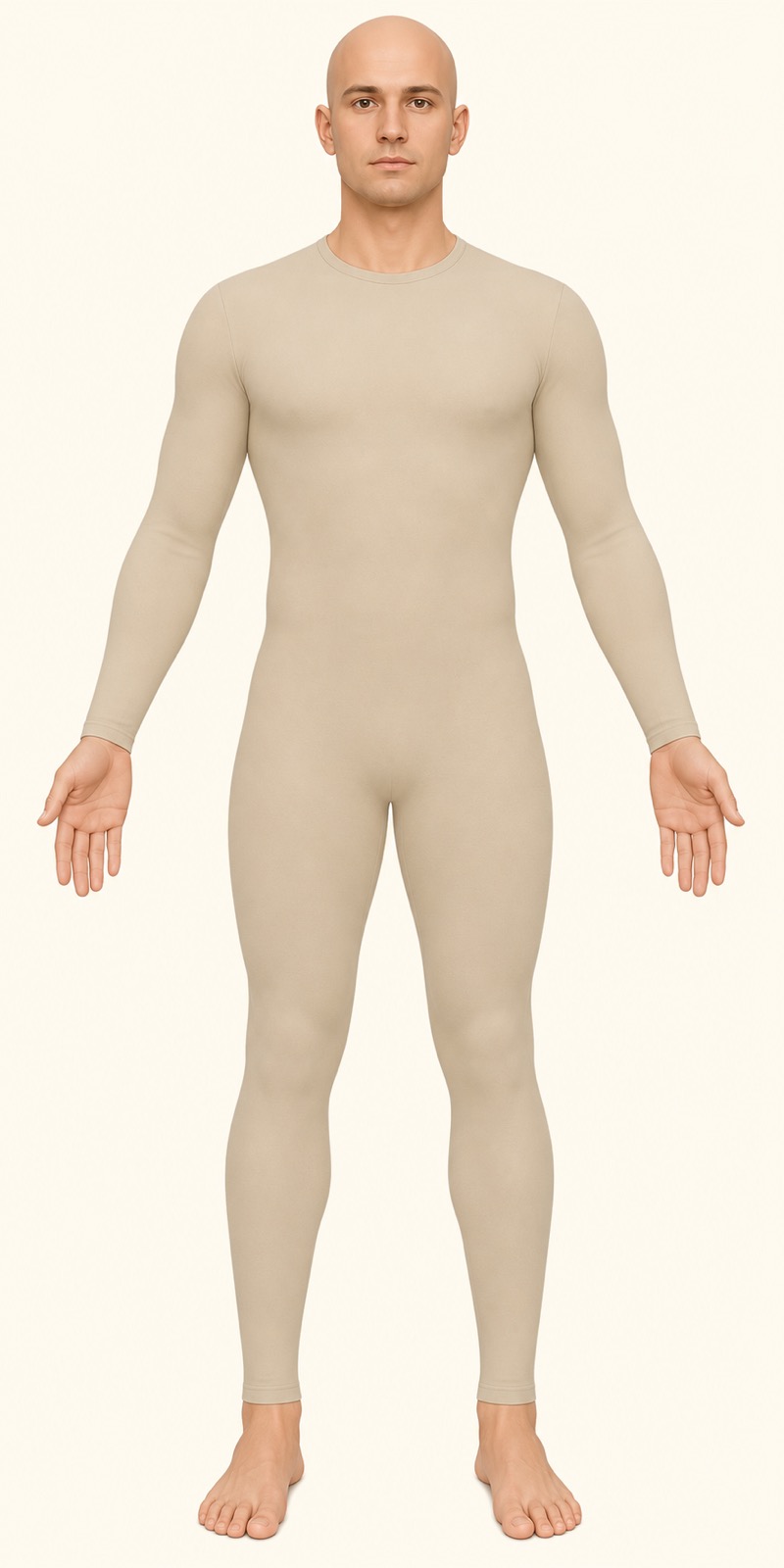 Pancreas
The library groups this compound under Metabolic. The diagram shows that target, not every tissue it reaches.
Illustrated
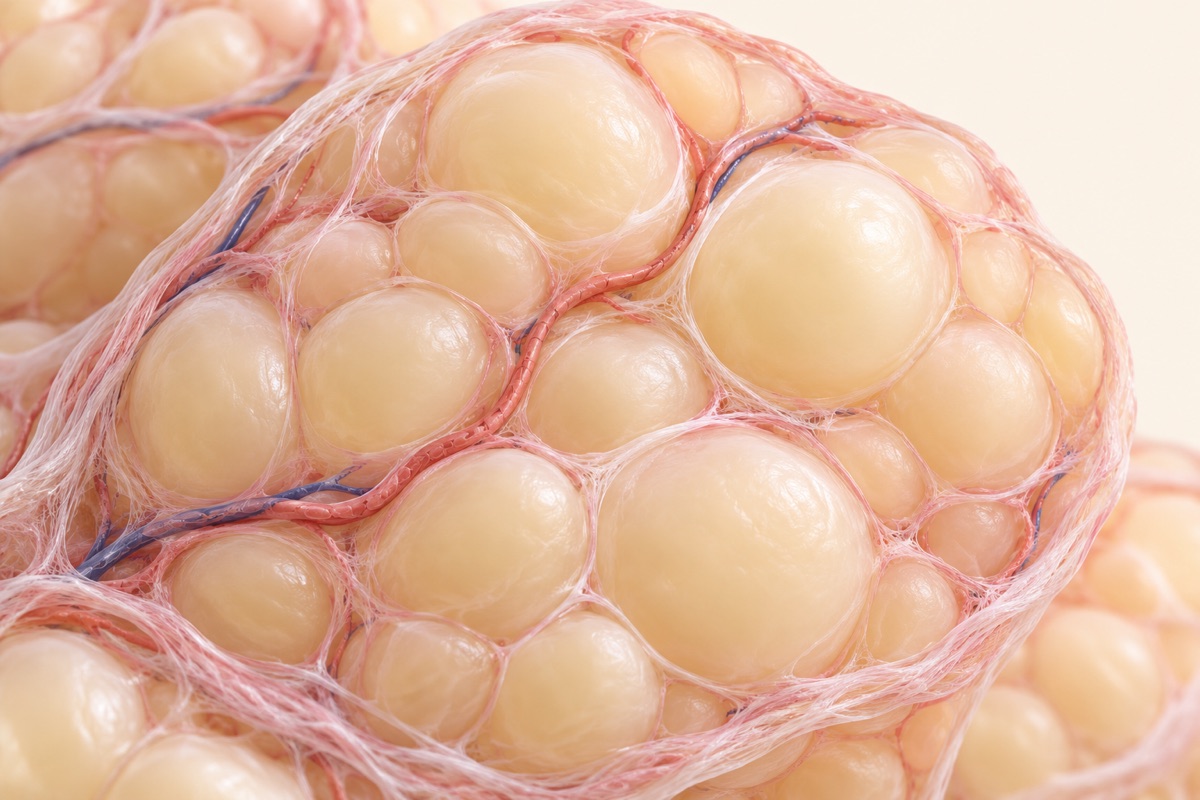
AI-generated subject illustration; not a depiction of the compound or evidence of its effects.
Why people take it
Reasons people seek it out — not a list of proven effects.
In practice Unapproved use
- Injected subcutaneously for fat loss, often fasted and before cardio
- Commonly stacked with CJC-1295 and ipamorelin on the belief it adds a direct fat-burning effect
- Buyers frequently cannot tell whether they received this fragment or AOD 9604, since vendors use the names interchangeably
Science hasn't caught up: The closely related AOD 9604 was tested in humans and did not produce meaningful weight loss. Practice has carried on regardless.
Reported real-world use, not evidence and not a recommendation.
Status: Research chemical. Not approved anywhere. Frequently confused with AOD 9604.
- Route
- Subcutaneous injection
- Sequence
- Residues 176–191 of human growth hormone, cyclised by a disulfide bond
- Formula
- C78H123N23O22S2
- Molecular weight
- 1799.1 g/mol
- Available as
- 2 mg, 5 mg, 10 mg
Search PubMed for hGH Fragment 176-191 → We link a live search rather than a fixed citation list, so it stays current and nothing here is a reference we have not checked.
Educational information only. Nothing here is medical advice, a dosing protocol, or a recommendation to use any compound. Most entries describe substances not approved for human use. Talk to a licensed clinician before acting on anything you read here. How to read these entries.