Semaglutide
Metabolic Approved · US, EU & worldwide Human trials
Also called Ozempic, Wegovy, Rybelsus
The compound that made this whole class famous. A 31-amino-acid rewrite of the gut hormone GLP-1, with one unnatural amino acid to stop enzymes cutting it and a fatty diacid chain to bind albumin — together taking its half-life from two minutes to about a week.
Evidence at a glance
- Evidence
- Human trials — Studied in people
- Status
- An approved medicine in US, EU & worldwide
- Dosing
- A dose has been tested in humans
Nausea, vomiting and constipation are common, and a minority stop because of them. Weight returns when it is stopped — STEP 4 showed most of it back within a year. It carries a boxed warning for thyroid C-cell tumours seen in rodents, and gastroparesis and pancreatitis have been reported. Lean mass loss is real and argues for resistance training alongside it.
What studies report
- Around 15% mean body weight loss at 2.4 mg weekly over 68 weeks in STEP 1, against 2.4% on placebo
- 20% reduction in major cardiovascular events in SELECT, in people with obesity and heart disease but not diabetes
- Consistent HbA1c reduction across the SUSTAIN diabetes programme
- Roughly a third of the weight lost is lean mass, as with most rapid weight loss
How it works
Activates GLP-1 receptors in the pancreas, stomach and brain: more insulin when glucose is high, less glucagon, slower gastric emptying, and reduced appetite signalling in the hypothalamus and hindbrain.
Where it acts
 Pancreas
The library groups this compound under Metabolic. The diagram shows that target, not every tissue it reaches.
Illustrated
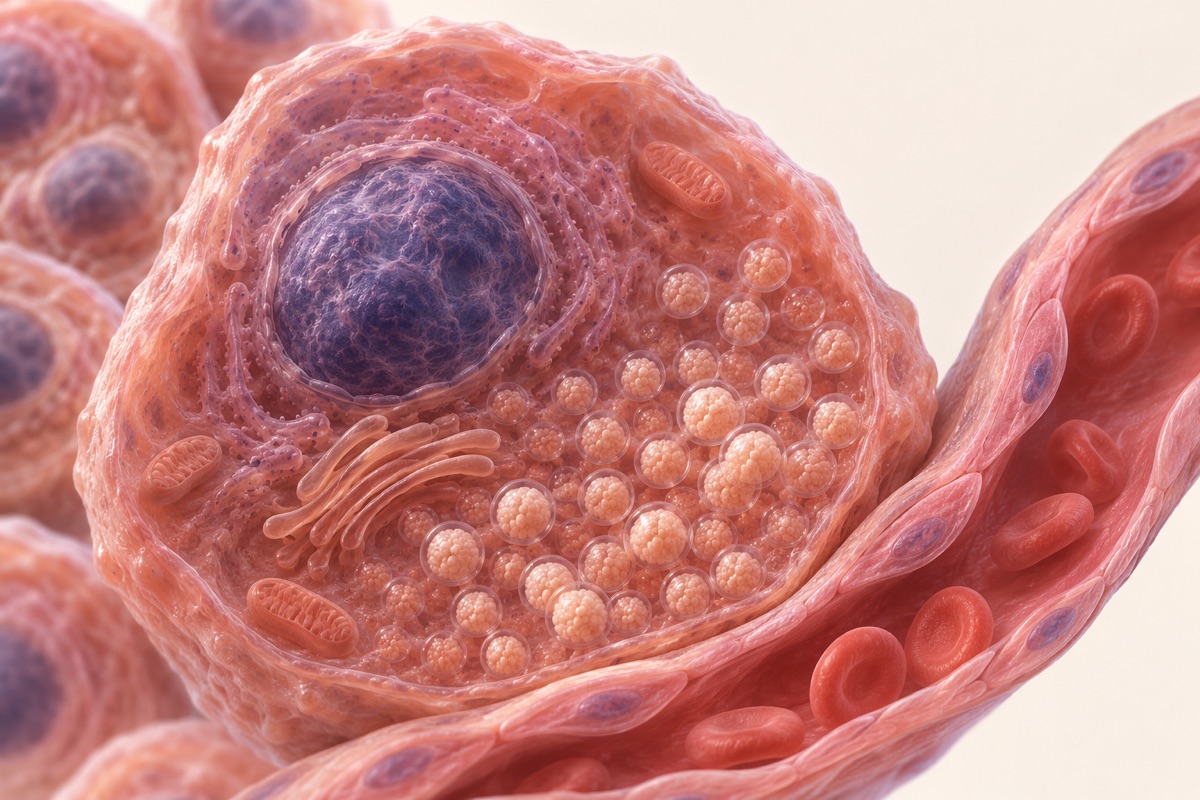
AI-generated subject illustration; not a depiction of the compound or evidence of its effects.
Why people take it
Reasons people seek it out — not a list of proven effects.
In practice Off-label
- Vastly more used than anything else in this library, almost all of it through prescription
- Compounded and research-chemical versions circulate widely, with no guarantee of identity or purity
- Stopping generally means regaining most of the weight, which is why it is framed as ongoing treatment
Reported real-world use, not evidence and not a recommendation.
Dosing
What was tested Evidence
- 2.4 mg weekly, subcutaneous68 weeksSTEP 1, obesity (n=1,961)→ −14.9% body weight vs −2.4% placebo
- 2.4 mg weekly, subcutaneous~3.3 yearsSELECT cardiovascular outcomes (n=17,604)→ 20% fewer major cardiovascular events
- 1.0 mg weekly, subcutaneous56 weeksSUSTAIN programme, type 2 diabetes→ HbA1c reduction of roughly 1.5 points
What people report using Not evidence
- Titrated up over 16+ weeks — 0.25 mg, then 0.5, 1.0, 1.7, 2.4 — to limit nausea
- Widely obtained through compounding pharmacies and grey-market suppliers at lower cost
- Some people stay at a lower maintenance dose once weight stabilises
Reported for reference, not as instruction. Nothing here is a recommendation to take anything, and most of these compounds are not approved for human use.
Status: FDA and EMA approved: Ozempic for type 2 diabetes (2017), Wegovy for weight management (2021), Rybelsus as an oral tablet (2019).
- Route
- Subcutaneous injection, weekly; also an oral tablet (Rybelsus)
- Sequence
- 31 amino acids — human GLP-1 (7-37) with Aib at position 8, Arg34, and a C18 diacid chain at Lys26
- Formula
- C187H291N45O59
- Molecular weight
- 4113.6 g/mol
- CAS
- 910463-68-2
- Available as
- Prefilled pens, Compounded vials
Search PubMed for Semaglutide → We link a live search rather than a fixed citation list, so it stays current and nothing here is a reference we have not checked.
Compared with
Side-by-side pages for the compounds this one is most often confused with or taken alongside.
Educational information only. Nothing here is medical advice, a dosing protocol, or a recommendation to use any compound. Most entries describe substances not approved for human use. Talk to a licensed clinician before acting on anything you read here. How to read these entries.