GHK-Cu vs GHK
Copper is the difference, and it matters
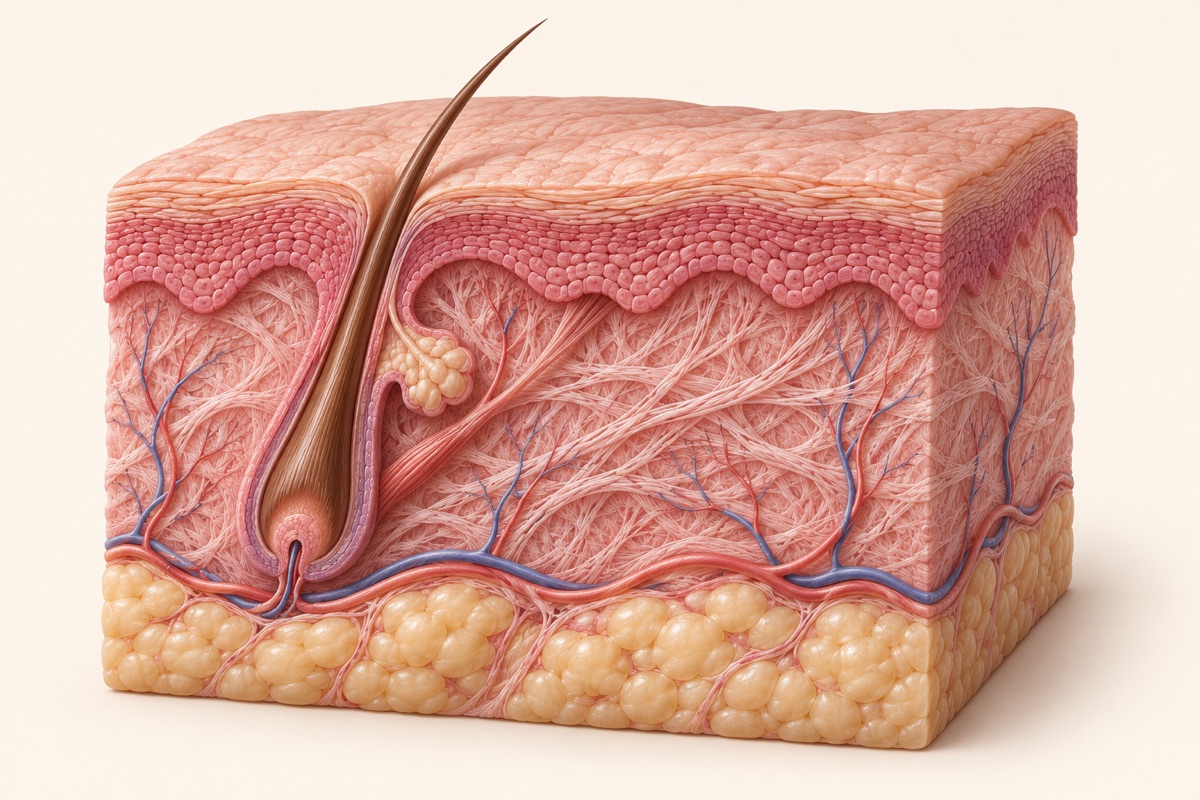
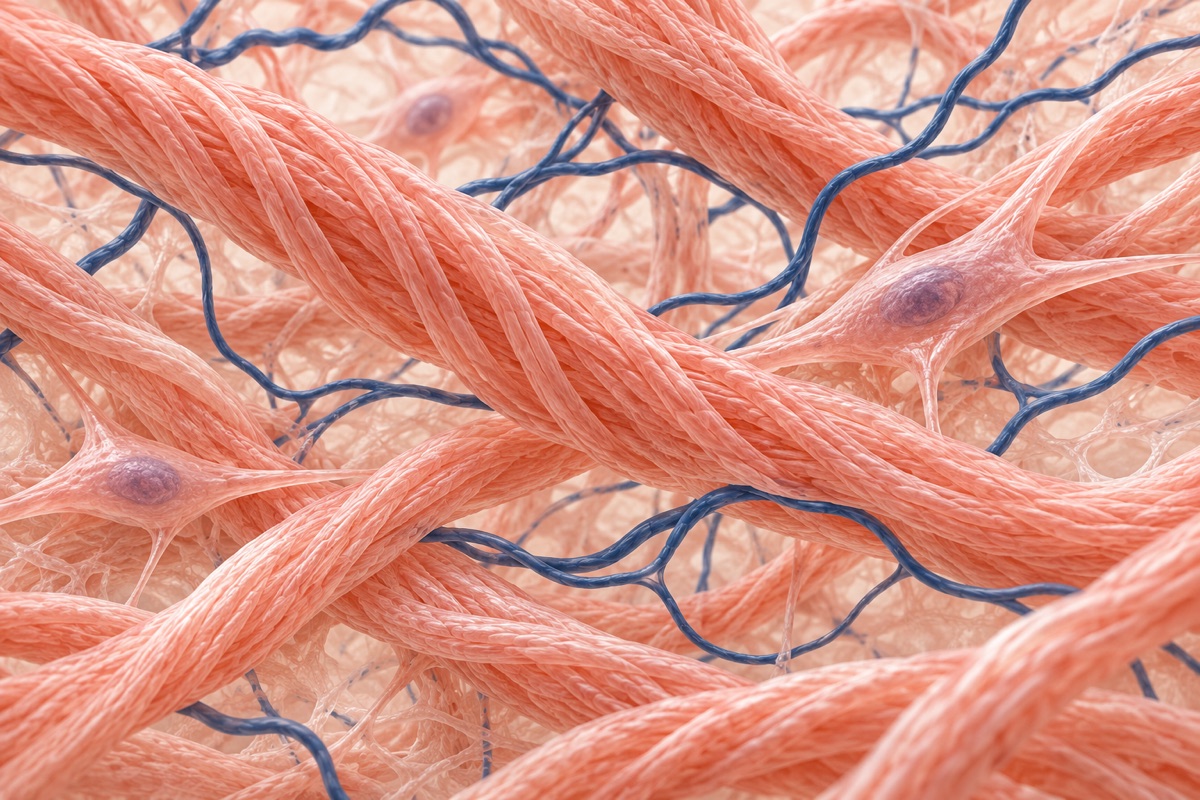
GHK is a three-amino-acid peptide released from collagen after injury; GHK-Cu is the same tripeptide carrying a copper ion. The copper is not incidental. Delivering it into cells is thought to be a large part of how the molecule works, and GHK readily picks copper up on its own. GHK-Cu is by far the better studied of the two, with controlled topical trials showing improvements in skin density and wrinkle depth. That evidence is for creams on skin, not for injection, which is a distinction worth holding onto.
 GHK-Cu
Skin & hair
Copper tripeptide-1, Copper peptide
Full entry →
 GHK
Skin & hair
Glycyl-histidyl-lysine, Tripeptide-1
Full entry →
| GHK-Cu | GHK | |
|---|---|---|
| Evidence behind it | Human trials | Animal studies |
| Worth knowing | The good human evidence is for creams and serums on skin, not for injection. | Most evidence is cell culture and topical; blood levels fall with age but restoring them has not been shown to help. |
| Approval | Research only | Research only |
| Category | Skin & hair | Skin & hair |
| What it is | GHK bound to a copper ion. It is one of the best-studied cosmetic peptides, linked to collagen and elastin production, wound healing, antioxidant effects and hair follicle support. Copper delivery into cells is thought to be part of how it works. | A three-amino-acid peptide found naturally in blood plasma, saliva and urine. Levels fall with age. It is released from collagen after injury and influences many genes involved in tissue remodeling. This is the copper-free form; it readily picks up copper to become GHK-Cu. |
| How it works | Activates fibroblasts to produce collagen and hyaluronic acid, restoring skin thickness, and shifts expression of a broad set of tissue-remodelling genes. | A tripeptide released from collagen after injury. It shifts the activity of a very large set of genes toward tissue repair, and readily picks up copper, which is how it becomes GHK-Cu. |
| What studies report |
|
|
| Dosing | From studies
Reported, not evidence
| No published dose, and no community figure we would repeat |
| Why people take it | Skin thickness and collagenWrinkles and skin agingWound healing and scarringHair growthSkin firmness and wrinklesHair thickness | Skin repair and collagenHair growthWound healing |
| In practice |
|
|
| Route | Topical in skincare; injected or microneedled in off-label use | Topical |
Rows describing reported use say what people do, not what has been shown to work. Evidence strength is graded the same way across the whole library, so the two columns are directly comparable.
Read the full entries
Other comparisons
- Semax vs Selank
- Epitalon vs Endoluten (A-8 Pineal)
- BPC-157 vs KPV
- Tesamorelin vs MK-677
- Retatrutide vs Tirzepatide
- Thymosin-α1 vs Thymogen
Educational information only. Nothing here is medical advice, a dosing protocol, or a recommendation to use any compound. Comparing two compounds is not a suggestion to take either one. Talk to a licensed clinician before acting on anything you read here. How to read these entries.