Thymosin-α1 vs Thymogen
Two approved-abroad immune peptides, very different scale
Both support immune function, both are approved outside the US, and both are nearly unknown within it. Thymosin-α1 is a 28-amino-acid peptide with trials in hepatitis B and C, sepsis and cancer, approved in more than thirty countries. Thymogen is a two-amino-acid dipeptide, about as small as a biologically active peptide gets, registered in Russia and used for immune recovery during infection and after surgery. The thymosin evidence base is substantially larger and more international; the Thymogen literature is almost entirely Russian.
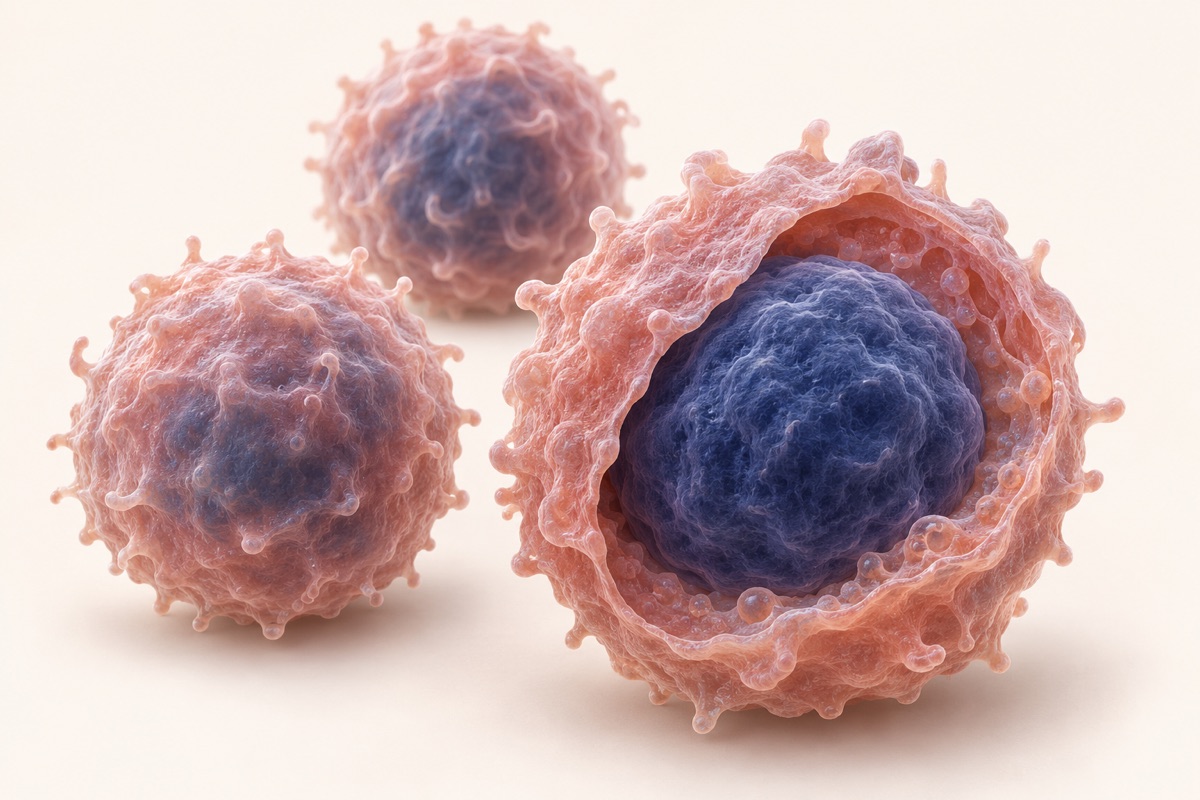 Thymosin-α1
Immune
Thymalfasin, Zadaxin, Tα1
Full entry →
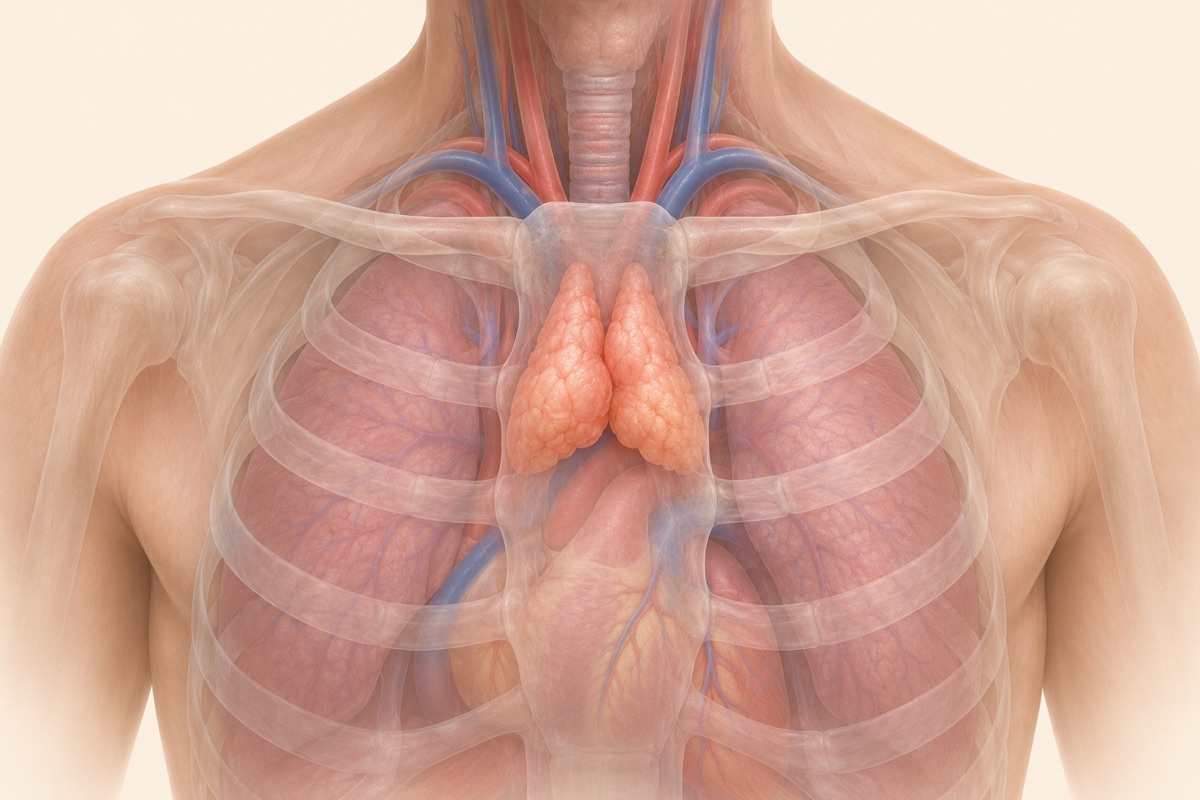 Thymogen
Thymus & immune system
Thymagen, Oglufanide, EW dipeptide
Full entry →
| Thymosin-α1 | Thymogen | |
|---|---|---|
| Evidence behind it | Human trials | Human trials |
| Worth knowing | Approved abroad but never FDA-approved; evidence quality varies by indication. | The most clinically used of this family, but the trials are Russian and mostly older. |
| Approval | Approved · 30+ countries | Approved · Russia |
| Category | Immune | Thymus & immune system |
| What it is | A 28-amino-acid peptide naturally made in the thymus. It helps T cells mature and strengthens the response of immune cells to viruses and tumors. It has been studied in hepatitis B and C, sepsis, cancer and as a vaccine booster. | A two-amino-acid peptide first isolated from calf thymus extract and now made synthetically. It is the most clinically used of this family, given to support immune recovery during infections and after surgery or radiation. |
| How it works | Naturally produced by the thymus. Drives T-cell maturation and restores immune responsiveness that declines with age. | A Khavinson short peptide: at two to four amino acids it is small enough to pass through cell and nuclear membranes intact. The proposed mechanism is that it binds specific sites on nuclear DNA and changes which genes are switched on in its target tissue, rather than acting on a surface receptor the way most peptides do. |
| What studies report |
|
|
| Dosing | From studies
Reported, not evidence
| No published dose, and no community figure we would repeat |
| Why people take it | Immunosenescence (age-related immune decline)Chronic hepatitis B and CAcute viral infectionAdjuvant in oncologyImmune support during infectionChronic hepatitis | Immune recovery during infectionPost-surgical recoveryHepatitis support |
| In practice |
| Nothing recorded |
| Route | Subcutaneous injection, from reconstituted lyophilised powder | Subcutaneous injection, or oral capsule depending on the preparation |
Rows describing reported use say what people do, not what has been shown to work. Evidence strength is graded the same way across the whole library, so the two columns are directly comparable.
Read the full entries
Other comparisons
- MOTS-c vs 5-Amino-1MQ
- BPC-157 vs Thymosin-β4
- CJC-1295 (with DAC) vs CJC-1295 without DAC
- Semaglutide vs Tirzepatide
- Ipamorelin vs GHRP-2
- GHK-Cu vs GHK
Educational information only. Nothing here is medical advice, a dosing protocol, or a recommendation to use any compound. Comparing two compounds is not a suggestion to take either one. Talk to a licensed clinician before acting on anything you read here. How to read these entries.