CJC-1295 (with DAC) vs CJC-1295 without DAC
Same peptide, one linker, completely different behaviour
This is the most mislabelled pair in the library. “CJC-1295” properly means the DAC version; the “no DAC” form is really modified GRF (1-29), the bare peptide before the linker is attached. That linker binds albumin and stretches the half-life from under half an hour to six to eight days. The trade is pulses versus a plateau: the no-DAC form preserves the body's natural pulsatile growth hormone release, the DAC form produces a continuous elevation. Check the molecular weight rather than the label. 3367.9 is the bare peptide, 3647.2 carries the DAC.
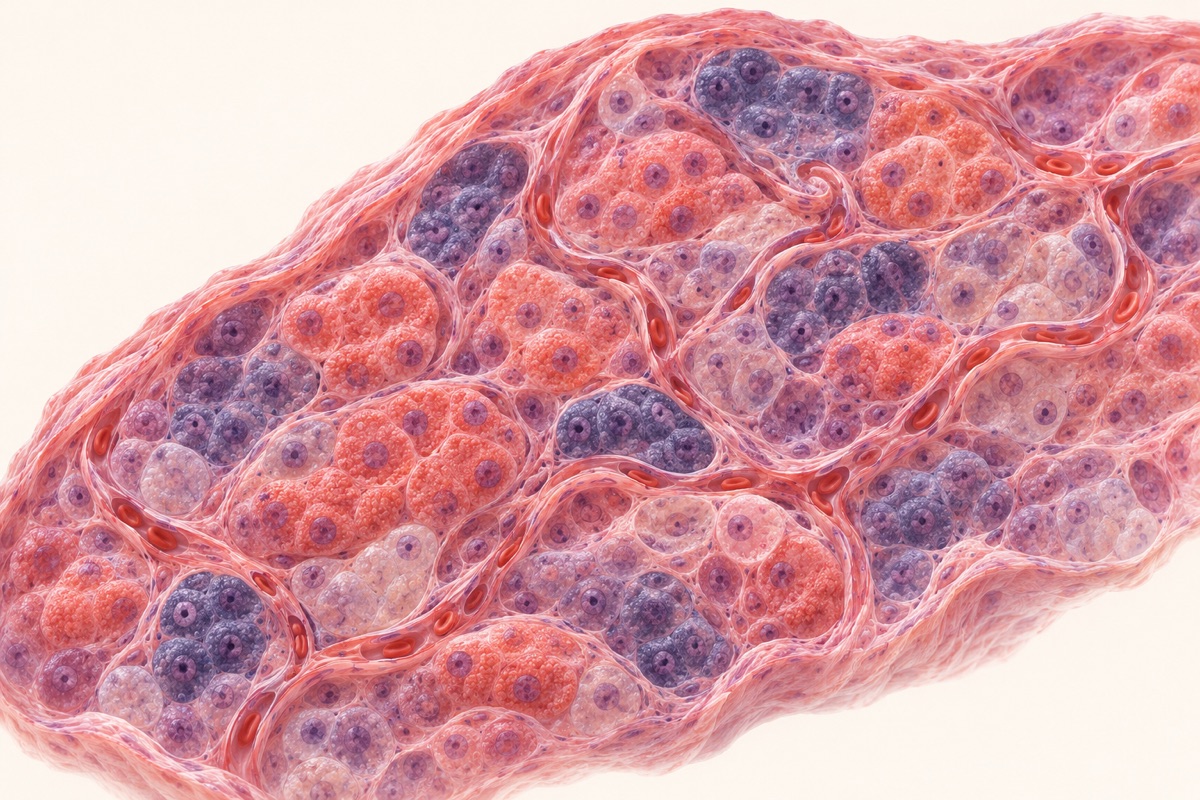 CJC-1295 (with DAC)
Growth hormone
CJC-1295, DAC:GRF, Drug Affinity Complex GRF
Full entry →
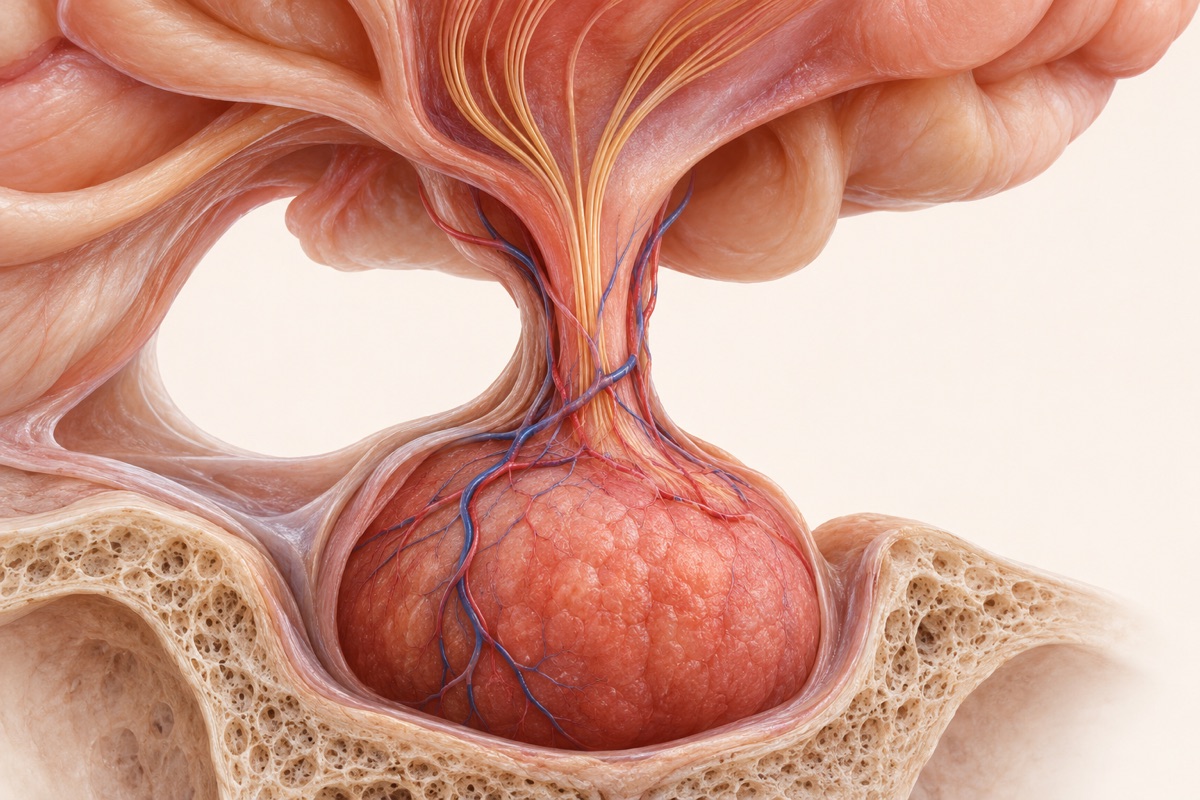 CJC-1295 without DAC
Growth hormone
Modified GRF (1-29), Mod GRF, Tetrasubstituted GRF (1-29), CJC-1295 no DAC
Full entry →
| CJC-1295 (with DAC) | CJC-1295 without DAC | |
|---|---|---|
| Evidence behind it | Human trials | Human trials |
| Worth knowing | Sustained IGF-1 elevation is the whole point of the DAC, and also the concern: the body's pulsatile pattern exists for a reason, and continuous elevation may blunt the pituitary's own response over time. Development was discontinued after early trials rather than completed, so long-term safety was never established. | Studied for hormone response, not for outcomes like body composition or recovery. Be careful with identifiers: public databases conflate this with the DAC version — PubChem CID 56841945 is labelled "CJC 1295 with DAC" but carries this compound's molecular weight (3367.9), not the DAC form's (3647.2). Vendors mislabel the two constantly, so check the weight rather than the name. |
| Approval | In trials | Research only |
| Category | Growth hormone | Growth hormone |
| What it is | The original CJC-1295, and the reason the naming is a mess: this is modified GRF (1-29) with a linker bolted on that grabs hold of albumin in the blood. Albumin circulates for weeks, so the peptide goes from lasting about half an hour to lasting about a week. | A 29-amino-acid version of growth-hormone-releasing hormone (GHRH) with four amino acids swapped to make it harder to break down. It signals the pituitary to release growth hormone in pulses. 'Without DAC' means it lacks the add-on that gives the DAC version a multi-day half-life. |
| How it works | A maleimidopropionic acid group forms a covalent bond with cysteine-34 on albumin, the most abundant protein in plasma. The peptide then circulates with it, giving a half-life of roughly 6–8 days instead of under 30 minutes — but producing a continuous elevation rather than the pulses the body normally releases. | Binds pituitary GHRH receptors to stimulate the body's own pulsatile growth hormone release, leaving normal feedback control intact. |
| What studies report |
|
|
| Dosing | From studies
Reported, not evidence
| From studies
Reported, not evidence
|
| Why people take it | Growth hormone and IGF-1 elevationBody compositionConvenience of weekly rather than daily injection | Lean muscle preservationFat lossTissue repairSleep qualityGrowth hormone releaseBody composition |
| In practice |
|
|
| Route | Subcutaneous injection, weekly or twice weekly | Subcutaneous injection, from reconstituted lyophilised powder |
Rows describing reported use say what people do, not what has been shown to work. Evidence strength is graded the same way across the whole library, so the two columns are directly comparable.
Read the full entries
Other comparisons
- Semaglutide vs Tirzepatide
- Ipamorelin vs GHRP-2
- GHK-Cu vs GHK
- Semax vs Selank
- Epitalon vs Endoluten (A-8 Pineal)
- BPC-157 vs KPV
Educational information only. Nothing here is medical advice, a dosing protocol, or a recommendation to use any compound. Comparing two compounds is not a suggestion to take either one. Talk to a licensed clinician before acting on anything you read here. How to read these entries.