BPC-157 vs KPV
Two different routes to the same gut problem
Both are reached for in inflammatory bowel conditions, and both are animal-data-only. They get there differently. BPC-157 comes from stomach juice and is associated with protecting and repairing the gut lining. KPV is the tail end of alpha-MSH and is actively carried into inflamed colon tissue by PepT1, a transporter that is overexpressed exactly where the inflammation is, an unusually targeted delivery mechanism. KPV is also taken orally for this purpose, where BPC-157 is usually injected unless the complaint is gut-specific.
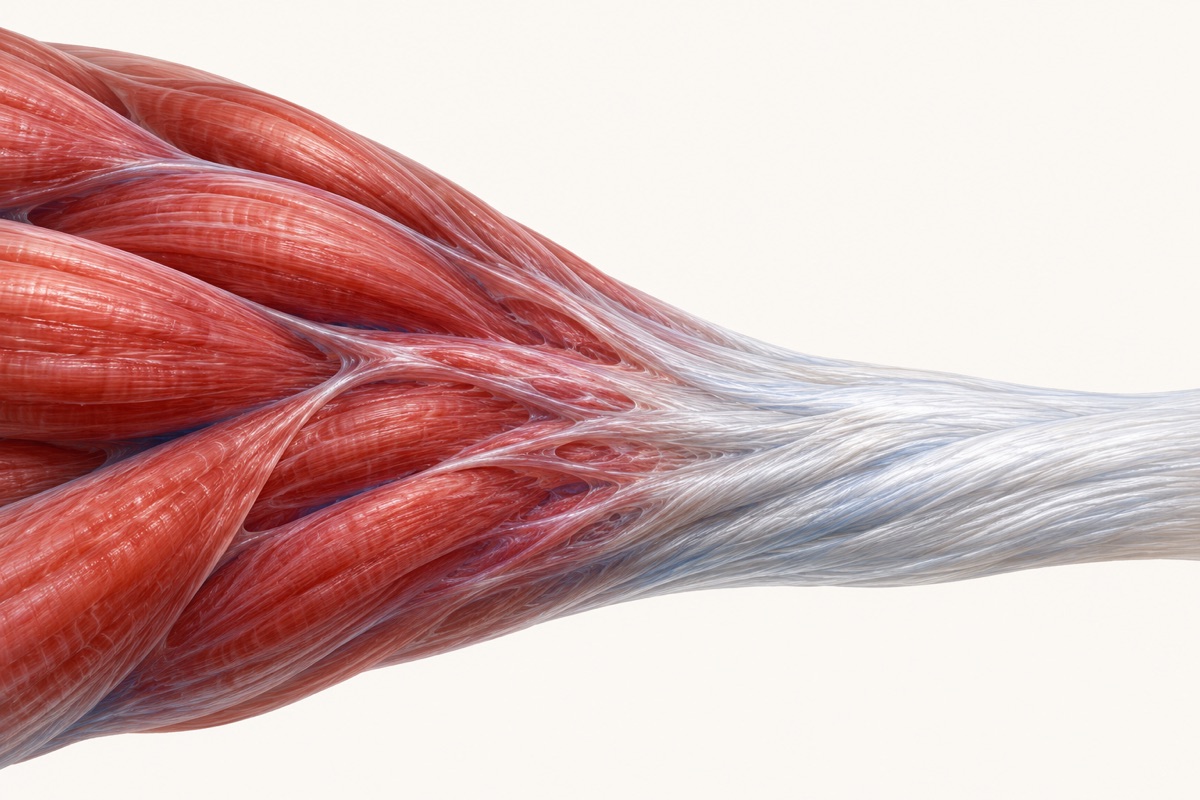 BPC-157
Healing & repair
Body Protection Compound 157
Full entry →
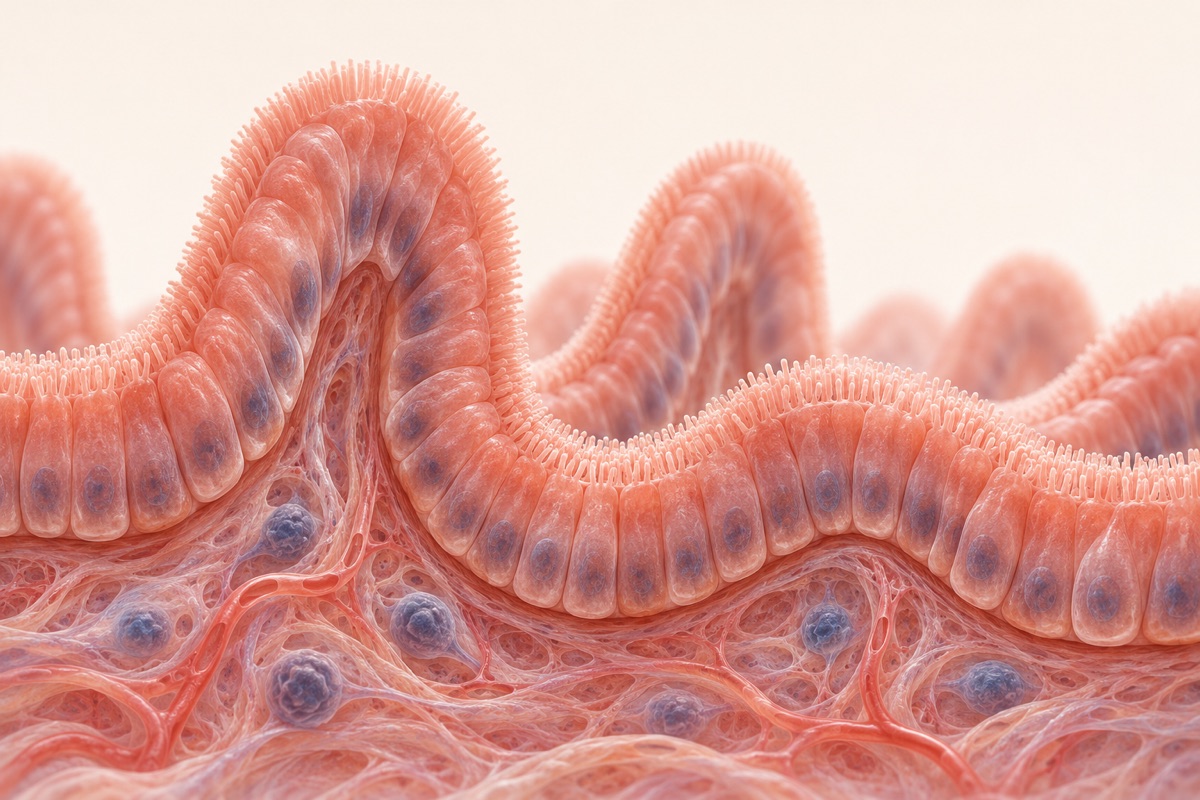 KPV
Immune
α-MSH (11-13)
Full entry →
| BPC-157 | KPV | |
|---|---|---|
| Evidence behind it | Animal studies | Animal studies |
| Worth knowing | Essentially all of this is rodent data. There are no published controlled human trials, and claims about joint or gut healing in people are extrapolation. | Animal and cell data only. |
| Approval | Research only | Research only |
| Category | Healing & repair | Immune |
| What it is | A 15-amino-acid synthetic peptide based on a protein fragment found in stomach juice. In animal studies it has been linked to faster healing of tendon, muscle, gut and skin injuries, new blood vessel growth, and effects on nitric oxide signaling. | The last three amino acids of alpha-melanocyte-stimulating hormone. It keeps much of that hormone's anti-inflammatory activity without causing skin darkening. It is studied mainly for gut inflammation such as colitis, and for skin inflammation. |
| How it works | Derived from a protein in gastric juice. Reported to upregulate growth hormone receptors via the phospholipase C pathway and to drive angiogenesis — new blood vessel growth into damaged tissue. | The last three amino acids of alpha-MSH. It is carried into gut and immune cells by PepT1, a peptide transporter that is overexpressed in inflamed colon tissue, where it dampens NF-κB signalling. Being this short, it keeps the anti-inflammatory action without the melanocortin receptor binding that causes skin darkening. |
| What studies report |
|
|
| Dosing | Reported, not evidence
| Reported, not evidence
|
| Why people take it | Achilles and other tendon tearsACL and meniscus injuryRotator cuff tearsIT band syndromeGut lining, GERD and ulcersTendon, ligament and muscle injury | Gut inflammation and IBDSkin inflammationGeneral anti-inflammatory use |
| In practice |
|
|
| Route | Subcutaneous injection; oral and capsule forms are used for gut complaints; also sold as a ready-made intranasal spray | Oral capsule or topical; occasionally injected |
Rows describing reported use say what people do, not what has been shown to work. Evidence strength is graded the same way across the whole library, so the two columns are directly comparable.
Read the full entries
Other comparisons
- Tesamorelin vs MK-677
- Retatrutide vs Tirzepatide
- Thymosin-α1 vs Thymogen
- MOTS-c vs 5-Amino-1MQ
- BPC-157 vs Thymosin-β4
- CJC-1295 (with DAC) vs CJC-1295 without DAC
Educational information only. Nothing here is medical advice, a dosing protocol, or a recommendation to use any compound. Comparing two compounds is not a suggestion to take either one. Talk to a licensed clinician before acting on anything you read here. How to read these entries.